


ART MANAGEMENT
Art is not just something to admire. At its best, it is a piece of history, culture, and human expression that deserves to be preserved for future generations. Whether you are a seasoned collector, a passionate enthusiast, or an artist creating your own masterpieces, understanding the importance of conservation aspects is paramount.
Supported by our network of experts, we provide a comprehensive art management service to our clients, including cataloguing and insurance, oversight of purchases and sales, exhibitions, conservation, transport and security.
Features
Strategy and logistics for passionate collectors
We provide comprehensive services to private art collectors, foundations and trusts
1. Collection management
• Cataloguing services
• Art historical research and archive revision
• Conservation strategy and regular inspections
• Management of rights and reproduction requests
• Coordination of logistics and customs formalities
• Administration of insurance with access to highly competitive premiums
2. Handling and Storage
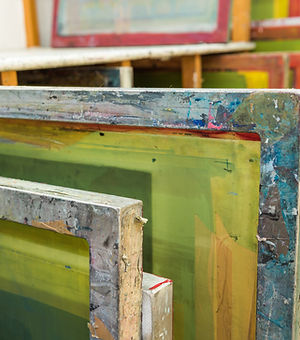
We treat what is dear and precious to us with the utmost care, and artworks are no exception. It is strongly recommended to wear nitrile gloves and use appropriate techniques when handling artworks to avoid potential damage. When in doubt, seek handling instructions upon acquiring the piece. For artworks destined for storage, whether short-term or indefinite, ensure the environment is climate-controlled and only acid-free, aging-resistant materials are used for packing and cushioning. Special attention is also required during transport; secure artworks with custom-made, insulated climate crates if necessary, and request shock-absorbing and climate-controlled transport vehicles (e.g., air-sprung and climate-controlled trucks) to protect them from damage
3. Collection Promotion
• Project management of publications and websites
• Organisation of exhibitions and loans
• Marketing strategies
• Helping clients engage with the art world
4. Assistance with sales and acquisitions
• Monitoring valuations
• Due diligence on authenticity and provenance
• Providing confidential and independent support and strategies for sales and acquisitions
5.
Essential Tips for Managing Your Collection
1. Record and organize relevant information. Documenting the history and condition of your collection is essential. In a spreadsheet, database, or binder, create and routinely update separate files for each work. These records are essential for insurance and de-acquisition purposes. Even if you sell or trade works, you should keep the records to track your collection’s evolution. Important information to record: Purchase invoice with date and seller information